
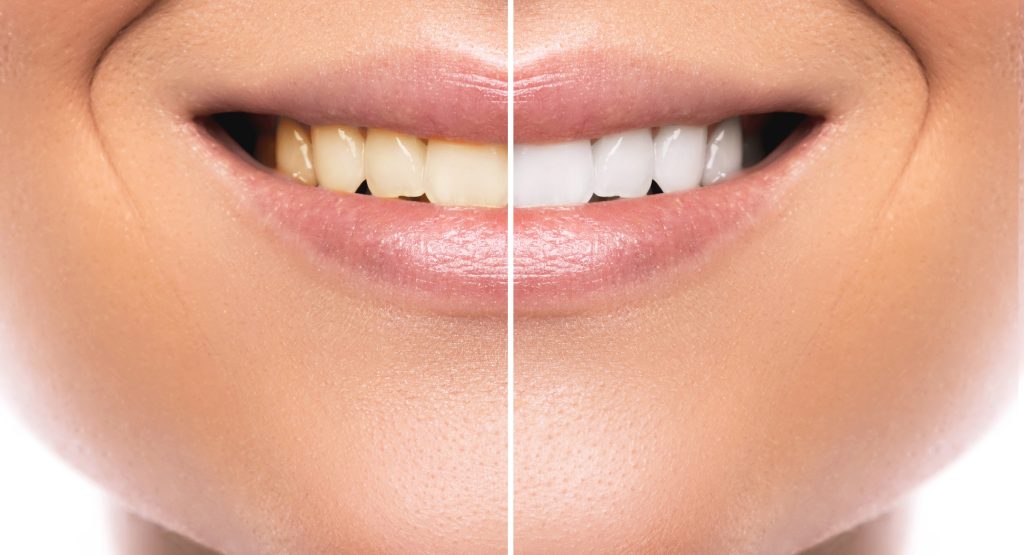
A bright smile can leave a lasting impression, but stained or discolored teeth can make people feel self-conscious. With so many whitening products and treatments available, it can be difficult to figure out what works. Some options promise quick results but fail to deliver, while others may even harm enamel if not used correctly.
Many factors contribute to tooth discoloration, including diet, aging, and lifestyle habits. While brushing and flossing help maintain oral hygiene, they may not be enough to remove deep stains. Finding the right whitening method requires understanding how different treatments work and their effects on teeth. Teeth whitening in Fair Oaks, VA has become a popular choice, but not all treatments offer the same level of effectiveness and safety.
1. Professional Teeth Whitening
Professional whitening treatments performed by dentists are among the most effective options. These treatments use high-concentration bleaching agents that penetrate deep into the enamel to break down stains.
One common method is in-office whitening, where a dentist applies a whitening gel and activates it with a special light. This process delivers noticeable results in just one session. Another option is take-home whitening kits provided by dentists, which include custom-fitted trays and professional-grade whitening gel. These kits allow patients to whiten their teeth gradually over a few weeks.
Professional treatments provide long-lasting results, but they may cause temporary tooth sensitivity. Dentists typically offer desensitizing solutions to minimize discomfort.
2. Over-the-Counter Whitening Products
Drugstores offer a variety of whitening products, including strips, gels, and toothpaste. Whitening strips are among the most popular, as they contain a mild bleaching agent that gradually lightens stains. These strips are applied directly to the teeth for a set period each day.
Whitening toothpaste and mouthwashes contain mild abrasives and low concentrations of bleaching agents. While they can help remove surface stains, they may not be effective against deeper discoloration.
Results from over-the-counter products vary and may take several weeks to become noticeable. They are more affordable than professional treatments but may not provide the same level of whitening.
3. Natural Remedies: Do They Work?
Some people turn to natural remedies for teeth whitening, such as baking soda, activated charcoal, and hydrogen peroxide. Baking soda acts as a mild abrasive that can help remove surface stains, but excessive use may wear down enamel.
Activated charcoal is another popular option, but scientific studies have not proven its effectiveness. It can be messy to use and may cause gum irritation.
Hydrogen peroxide, an ingredient in many whitening products, can be used in diluted form as a mouth rinse. However, using it too often or in high concentrations can lead to gum irritation and enamel damage.
4. Foods and Drinks That Affect Tooth Color
Certain foods and drinks contribute to staining and discoloration. Coffee, tea, red wine, and dark-colored sodas are known for causing stains. Acidic foods, such as citrus fruits and tomato sauce, can weaken enamel, making it more susceptible to staining.
On the other hand, some foods help keep teeth white. Crunchy fruits and vegetables like apples, carrots, and celery can help clean the teeth naturally by stimulating saliva production. Dairy products like cheese and yogurt contain calcium and phosphates that strengthen enamel.
5. The Role of Good Oral Hygiene
Maintaining good oral hygiene is essential for keeping teeth white. Brushing twice a day with fluoride toothpaste, flossing daily, and visiting the dentist regularly help prevent stains from setting in. Using an electric toothbrush can be more effective than a manual one in removing plaque and stains.
Drinking water after consuming stain-causing foods and beverages helps rinse away residue before it has a chance to settle on the teeth. Avoiding smoking and tobacco use also plays a significant role in maintaining a bright smile.
6. When to Seek Professional Advice
Not everyone is a good candidate for teeth whitening. People with dental restorations, such as crowns or veneers, may not achieve uniform results, as whitening agents do not work on artificial materials.
Those with sensitive teeth or gum issues should consult a dentist before using any whitening products. A professional can recommend the best approach based on individual dental health and goals.
Whitening treatments range from professional procedures to over-the-counter products and natural remedies. While some options provide fast and noticeable results, others require consistent use over time. Good oral hygiene and dietary choices also play a role in maintaining a bright smile. For those looking for safe and effective teeth whitening in Fair Oaks, VA, professional treatment from Smile Design of Northern Virginia offers reliable results tailored to individual needs. Schedule a consultation to find the best whitening solution for a brighter, more confident smile.