
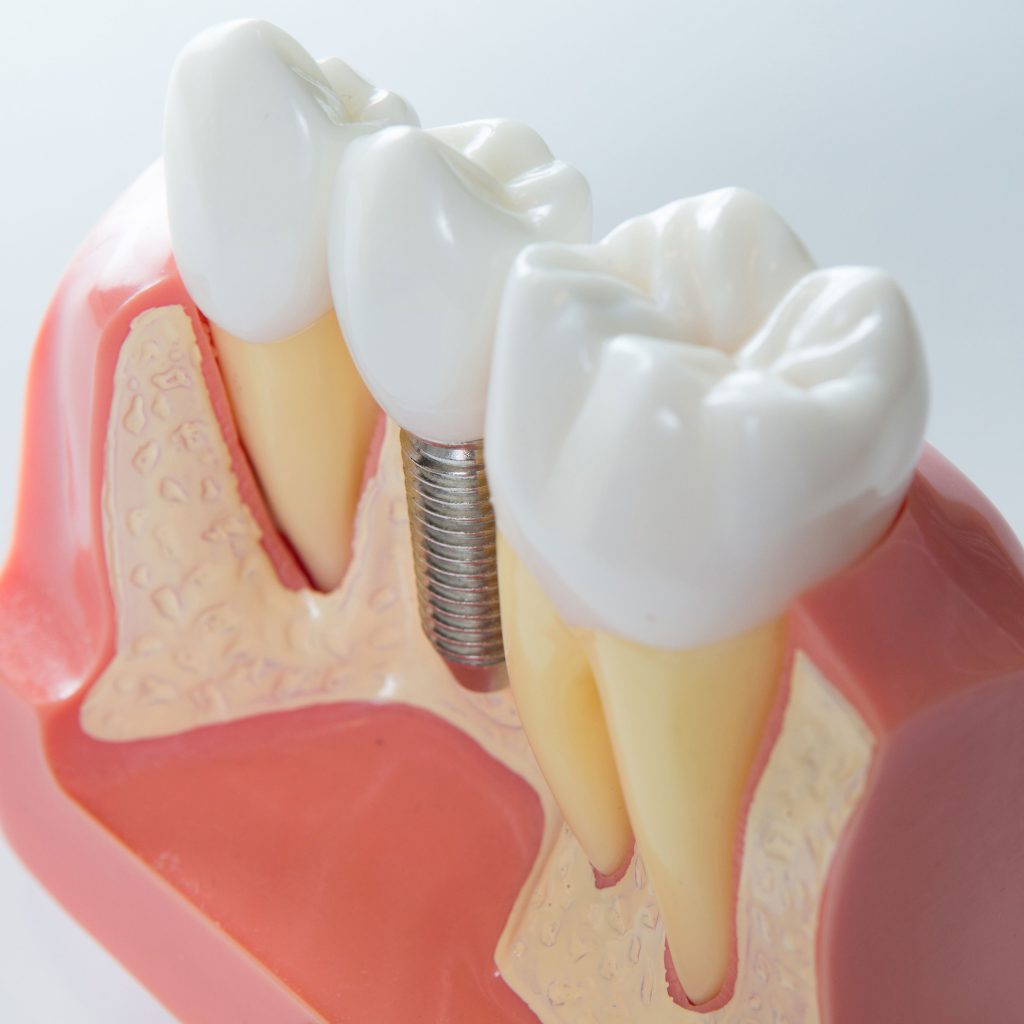
Losing a tooth doesn’t just impact your smile. It affects your ability to chew, speak, and feel confident in social situations. Dental implants have become one of the most reliable and long-lasting solutions to restore oral function and appearance. But if you’re considering this treatment, you might be wondering just how long it takes to recover from dental implants.
The answer isn’t the same for everyone. Recovery time depends on a range of factors, including your overall health, whether bone grafting is needed, and how well you care for the implant site afterward. Generally, most patients return to normal activities within a few days, but complete healing can take several months.
For those considering dental implants in Fair Oaks, VA, understanding the recovery timeline can help set realistic expectations and ease any concerns before treatment.
1. Immediate Post-Surgery Recovery (First 24–72 Hours)
The first stage of recovery occurs right after the implant surgery. You may experience some swelling, mild discomfort, and minor bleeding. These are typical responses as your body begins healing.
Pain is usually manageable with over-the-counter medication or a prescription from your dentist. To reduce swelling, applying an ice pack on your cheek for 15-minute intervals during the first 24 hours can be helpful. Eating soft foods and avoiding hot liquids is also important during this stage to protect the surgical site.
Rest is key. Avoid strenuous activity and keep your head elevated while sleeping. Most patients begin feeling significantly better within three days.
2. The First Week: Healing Begins
By the end of the first week, much of the initial soreness and swelling should subside. The gum tissue around the implant site begins to stabilize. Stitches, if non-dissolvable, are typically removed around this time.
It’s crucial to maintain oral hygiene with gentle brushing and possibly a prescribed antimicrobial rinse. Avoid touching the implant area with your tongue or fingers, and stick to soft foods that don’t require heavy chewing.
During this phase, many patients are surprised at how manageable the recovery feels, especially when they follow post-op care instructions closely.
3. Osseointegration Phase (1 to 3 Months)
This is the longest and most essential part of the recovery. Osseointegration refers to the process where the implant fuses with your jawbone. It’s what makes dental implants so stable and durable.
Though you may feel completely fine during this period, internal healing is still underway. Your dentist will monitor progress through checkups and imaging. Disrupting this process can affect the long-term success of the implant, so it’s critical to avoid smoking, excessive pressure on the implant, or missing follow-up appointments.
Diet should continue to favor softer foods, gradually reintroducing firmer textures as approved by your dental provider.
4. When Bone Grafting Is Involved
If you require a bone graft before or during your implant procedure, expect an extended healing period. Bone grafting helps create a strong foundation for the implant but adds weeks, or sometimes months, to the total timeline.
Your dentist will allow ample time for the graft to integrate with your jaw before placing the implant. Though this lengthens the overall treatment, it significantly increases your chances of long-term implant success.
Patients with bone grafts often take a little longer to return to normal routines but generally experience no added discomfort beyond the initial recovery period.
5. Placing the Abutment and Crown
Once the implant is securely fused with the bone, the next step is attaching the abutment. This minor procedure exposes the implant so the final crown can be placed.
This stage involves some healing as well, usually around two weeks for the gum tissue to adapt around the abutment. Afterward, your permanent crown is custom-made and placed on the implant.
This final part marks the end of your dental implant journey, leaving you with a functional and natural-looking tooth replacement.
6. Long-Term Care and Maintenance
Even though the active healing phase is over, taking care of your dental implant is a lifelong responsibility. Implants can last decades if maintained properly.
Continue brushing and flossing daily, attend regular dental checkups, and avoid habits that could damage the implant, such as chewing on ice or grinding your teeth. Just like natural teeth, implants benefit from consistent care and professional cleanings.
Paying attention to any discomfort or unusual signs after the initial healing phase is also wise. Early detection of issues can prevent complications and help preserve your implant’s integrity.
Healing after dental implant surgery is a process that unfolds in stages, from immediate post-op care to months of bone integration and final restoration. While most people feel physically recovered within days, complete healing beneath the surface can take several months. Each patient’s journey is unique, especially if bone grafting or multiple implants are involved. With proper care and realistic expectations, dental implants offer a reliable and long-term solution for missing teeth.
If you’re considering dental implants in Fair Oaks, VA, the experienced team at Smile Design of Northern Virginia can guide you through each phase of the process with precision and compassion. Schedule your consultation today to learn more.