
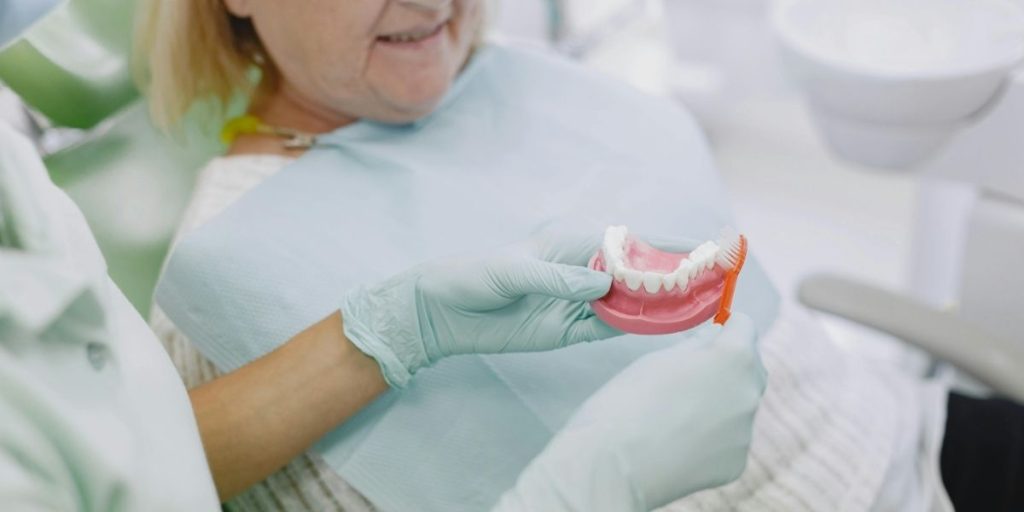
Dentures play a crucial role in restoring your smile, speech, and confidence after tooth loss. But just like natural teeth, they require care and occasional replacement. Many people assume dentures are designed to last a lifetime, yet these appliances naturally wear down and may need adjustments or complete replacement over time. Understanding when to replace them ensures that your oral health and comfort remain at their best.
On average, dentures last about five to seven years before requiring replacement. However, this timeframe can vary based on factors such as how well they are maintained, the materials used, and changes in the structure of your mouth. Even the highest-quality dentures will eventually lose their fit or appearance. Knowing the signs early can prevent discomfort, oral irritation, and difficulty eating or speaking.
If you’ve been wearing dentures for several years, it’s worth checking for subtle warning signs that suggest it’s time for an update. A dentist in Fair Oaks, VA can assess your dentures and determine whether repair or replacement is necessary to protect your oral health and restore function.
Poor Fit or Frequent Slippage
One of the most common indicators that your dentures need replacing is a poor fit. Over time, your gums and jawbone change due to natural bone resorption, which affects how dentures sit in your mouth. If your dentures frequently slip when talking or eating, or if you need to use more adhesive than usual, they likely no longer fit properly.
Ill-fitting dentures can cause mouth sores, discomfort, and even affect speech. Regular adjustments can help temporarily, but if the slippage continues, new dentures may be the best solution to restore comfort and stability.
Discomfort or Soreness
Dentures should feel comfortable once your mouth has adjusted to them. Persistent irritation, sore spots, or gum inflammation are red flags that the fit or alignment has changed. Wearing dentures that rub or pinch can lead to infections or ulcers.
Sometimes soreness is due to worn-out lining or uneven pressure on the gums. If adjustments don’t relieve the discomfort, a replacement is often necessary to prevent further oral health issues.
Difficulty Chewing or Speaking
Dentures are designed to mimic natural teeth and help you eat and talk with ease. When they no longer perform these functions properly, it’s often due to wear and tear or a change in your bite alignment. You might notice food slipping under the denture or difficulty pronouncing certain words.
Replacing your dentures restores normal chewing and speech function, allowing you to eat a wider range of foods and speak confidently again.
Visible Wear or Damage
Even with careful handling, dentures can develop cracks, chips, or stains over time. These imperfections not only affect appearance but can also compromise function. A small crack can harbor bacteria or cause the denture to break completely.
If your dentures look worn, discolored, or have visible damage, it’s safer to have them replaced than to risk them breaking while you eat or speak. A new set will improve both the look and performance of your smile.
Changes in Facial Appearance
Missing teeth cause the jawbone to shrink gradually, and dentures help maintain the shape of your face. When they no longer fit correctly, your cheeks may appear sunken, or your facial structure may look aged. This is a clear sign that your dentures are no longer supporting your facial muscles as they should.
Properly fitted dentures help maintain facial symmetry and restore a more natural, youthful look. Replacing old dentures can make a noticeable difference in how you look and feel.
It’s Been More Than Seven Years
Even if your dentures still feel fine, they may not be functioning optimally if it has been more than seven years since you got them. The materials wear down gradually, and technological advancements mean newer models may offer better comfort and durability.
Dentists recommend having your dentures checked annually to monitor fit, condition, and hygiene. If it’s been several years, it’s a good idea to discuss replacement options during your next checkup.
Replacing dentures at the right time is essential for maintaining oral health, comfort, and confidence. Signs like poor fit, discomfort, wear, and difficulty chewing should never be ignored. Regular dental visits allow your provider to assess your dentures and recommend updates before they cause bigger issues.
If you’re unsure whether your dentures are due for replacement, schedule an evaluation with Smile Design of Northern Virginia. Our expert dentist in Fair Oaks, VA can ensure your dentures fit comfortably, function properly, and keep your smile looking natural for years to come. Contact us today!