
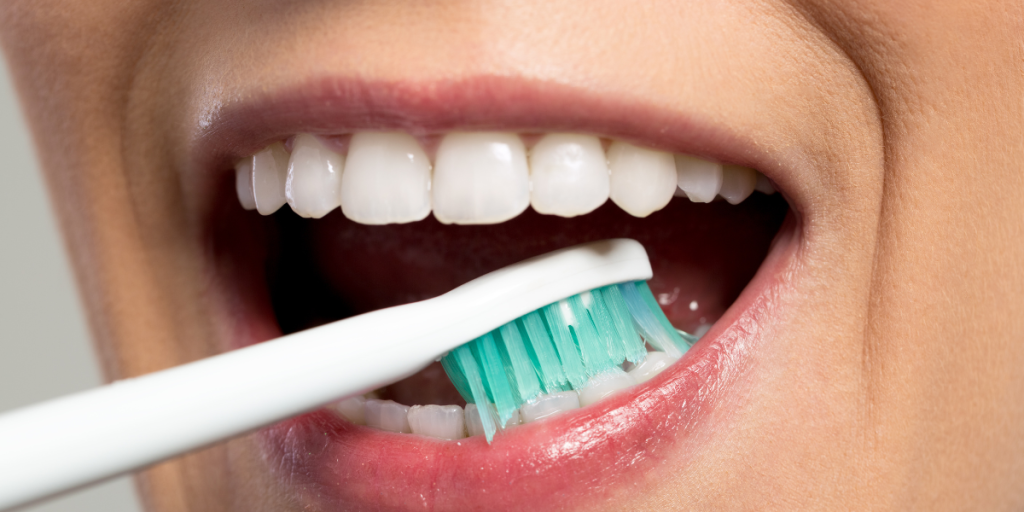
Most people brush their teeth every day without giving much thought to the condition of their toothbrush. Yet an old or worn-out toothbrush can quietly reduce the effectiveness of your oral hygiene routine. Frayed bristles, hidden bacteria, and improper brushing tools can all contribute to plaque buildup, gum irritation, and even tooth decay. Many patients are surprised to learn that replacing a toothbrush at the right time can make a significant difference in their overall dental health.
A healthy smile begins with simple daily habits, and using the right toothbrush is one of the easiest ways to protect your teeth and gums. At Smile Design of Northern Virginia in Alexandria, VA, patients receive personalized guidance on maintaining strong oral hygiene habits between dental visits. In this guide, you’ll learn how often to replace your toothbrush, warning signs that it’s time for a new one, how toothbrush hygiene affects your health, and practical tips for choosing the best toothbrush for your needs.
Table of Contents
- Why Replacing Your Toothbrush Matters
- Signs It’s Time for a New Toothbrush
- How Toothbrush Hygiene Affects Your Oral Health
- Choosing the Right Toothbrush for Better Dental Care
- Frequently Asked Questions
Why Replacing Your Toothbrush Matters
A toothbrush is one of the most frequently used tools in your daily routine, but it does not last forever. Over time, toothbrush bristles become worn down and less effective at removing plaque and food particles from the teeth and gumline. Dental professionals generally recommend replacing your toothbrush every three to four months. If you use an electric toothbrush, the same timeline applies to replacing the brush head.
When bristles begin to fray, they lose their ability to clean hard-to-reach areas effectively. This can lead to plaque accumulation, bad breath, and an increased risk of cavities or gum disease. Many people continue using toothbrushes long after they should be replaced simply because the wear is gradual and easy to overlook. However, studies have shown that worn toothbrushes clean teeth less efficiently than new ones.
Another reason replacement matters is bacterial buildup. Toothbrushes are exposed to moisture, toothpaste residue, and bacteria from the mouth every single day. Even when rinsed properly, microorganisms can remain on the brush surface. According to the American Dental Association, replacing your toothbrush regularly helps reduce the chance of reintroducing harmful bacteria into your mouth.
Children often need toothbrush replacements even more frequently than adults because they tend to brush harder and wear down bristles faster. Additionally, anyone recovering from illness should replace their toothbrush after getting better to avoid lingering germs. This simple step can help support better hygiene and reduce the risk of reinfection.
Electric toothbrush users sometimes assume that powered brushing eliminates the need for regular replacement, but the opposite is true. Because electric toothbrushes rely heavily on the condition of the bristles for proper cleaning performance, replacing the brush head consistently is essential for maintaining effectiveness.
Proper toothbrush maintenance also plays a role. Store your toothbrush upright, allow it to air dry, and avoid covering it in closed containers where moisture can encourage bacterial growth. Sharing toothbrushes should always be avoided because it can spread bacteria and viruses between individuals.
The Centers for Disease Control and Prevention also emphasizes the importance of maintaining proper oral hygiene tools as part of overall health and infection prevention practices. A clean, functional toothbrush is a small investment that can have a major impact on your dental health over time.
If you’re unsure whether your current oral hygiene routine is protecting your smile, your dentist can recommend the best brushing techniques and products during your regular preventive dental visits.
Signs It’s Time for a New Toothbrush
Sometimes it’s obvious that a toothbrush needs replacing. Other times, the signs are subtle and easy to miss. Understanding what to look for can help you maintain a healthier brushing routine and avoid ineffective cleaning habits.
The most noticeable sign is frayed or bent bristles. When toothbrush bristles lose their shape, they cannot clean teeth properly. Flattened or splayed bristles are a clear indication that your toothbrush is no longer doing its job effectively. If the bristles point outward instead of remaining straight, it’s time for a replacement.
Another common sign is discoloration. Some toothbrushes are designed with colored indicator bristles that fade over time to signal replacement. Even without these indicators, visible staining or buildup on the brush head can suggest it’s time for a new brush.
A lingering odor is another warning sign that bacteria or mold may be accumulating on the toothbrush. Toothbrushes stored in damp conditions or near toilets may be more vulnerable to contamination from airborne particles. Maintaining proper storage habits can help reduce this risk, but replacement is still necessary on a regular schedule.
People with braces, dental appliances, or gum disease may need to replace toothbrushes more frequently because these conditions can cause faster bristle wear. Aggressive brushing habits can also shorten the lifespan of a toothbrush. Brushing harder does not clean better—in fact, it can damage enamel and irritate gum tissue.
Using a worn toothbrush may contribute to plaque buildup, tooth sensitivity, and gum inflammation. If you notice your teeth no longer feel clean after brushing, your toothbrush could be part of the problem. Consistent oral hygiene depends on using tools that function properly.
Patients are also encouraged to replace toothbrushes after illnesses such as colds, flu, or infections. Germs can linger on toothbrush bristles even after recovery. Swapping out your toothbrush once you feel better is a simple preventive measure that supports ongoing health.
For additional oral health guidance, many dental professionals recommend combining good brushing habits with routine dental cleanings and exams. Learn more about general dentistry or schedule a preventive dental visit.
The American Dental Association provides additional guidance on selecting and replacing toothbrushes to support healthy brushing habits. Maintaining awareness of these warning signs can help ensure your oral care routine remains effective year-round.
How Toothbrush Hygiene Affects Your Oral Health
Many people underestimate how closely toothbrush hygiene is connected to overall oral health. Your toothbrush directly interacts with your teeth, gums, and tongue multiple times every day. If the brush is contaminated or ineffective, your oral hygiene routine may not provide the protection your mouth needs.
A toothbrush that is not cleaned or stored properly can accumulate bacteria, fungi, and viruses. While exposure to some bacteria is unavoidable, minimizing unnecessary contamination is important for maintaining a healthy mouth. Toothbrushes stored in humid, enclosed environments are especially vulnerable to microbial growth.
Cross-contamination is another concern. Toothbrushes stored too close together can transfer bacteria between users. This is why dental professionals recommend keeping toothbrushes separate and never sharing them. Even family members should avoid allowing brush heads to touch during storage.
Improper toothbrush hygiene may also affect individuals with compromised immune systems or chronic health conditions more severely. Since oral bacteria can contribute to inflammation and infection, maintaining clean oral care tools becomes even more important. Research continues to show strong links between oral health and systemic health conditions such as heart disease and diabetes.
Brushing technique also matters. Some people continue using damaged toothbrushes because they assume brushing longer compensates for worn bristles. However, ineffective brushing can leave plaque behind near the gumline where bacteria thrive. Over time, this increases the risk of gingivitis and periodontal disease.
Patients often ask whether sanitizing toothbrushes is necessary. While toothbrush sanitizers exist, most dental professionals agree that thorough rinsing and proper drying are generally sufficient when combined with regular replacement. Boiling or microwaving toothbrushes is not recommended because high heat can damage the bristles and reduce effectiveness.
To maintain a cleaner toothbrush:
- Rinse thoroughly after each use
- Store upright in open air
- Avoid closed containers for long-term storage
- Replace every three to four months
- Replace after illness
These habits help support healthier brushing and reduce exposure to harmful microorganisms.
The Centers for Disease Control and Prevention offers recommendations for maintaining hygienic personal care items, including toothbrushes. Consistent hygiene practices combined with regular dental visits can significantly improve long-term oral health outcomes.
At Smile Design of Northern Virginia, patient education is an important part of preventive care. Helping patients understand the connection between everyday habits and dental health allows them to make informed decisions that support healthier smiles.
Routine dental checkups allow your dentist to identify early signs of tooth decay, gum disease, and other oral health concerns before they become more serious.
Choosing the Right Toothbrush for Better Dental Care
Replacing your toothbrush regularly is important, but selecting the right toothbrush is equally essential. With so many options available, many patients are unsure which type of toothbrush is best for their needs.
Most dental professionals recommend using a soft-bristle toothbrush. Soft bristles effectively remove plaque while minimizing the risk of enamel wear and gum irritation. Medium or hard bristles may seem more powerful, but they can actually damage tooth enamel and contribute to gum recession over time.
Electric toothbrushes are often recommended because they provide consistent brushing motions that can improve plaque removal. Many electric toothbrushes also include timers that encourage brushing for the recommended two minutes. Patients with arthritis, limited mobility, or orthodontic appliances may find electric toothbrushes especially helpful.
Manual toothbrushes can still be highly effective when used correctly. The key is maintaining proper brushing technique and replacing the brush consistently. Holding the brush at a 45-degree angle toward the gumline and using gentle circular motions can improve cleaning efficiency while protecting gum tissue.
Children benefit from age-appropriate toothbrushes with smaller heads and softer bristles. Encouraging healthy brushing habits early can help establish lifelong oral hygiene routines. Parents should supervise brushing to ensure children use proper technique and replace brushes regularly.
Another factor to consider is brush head size. A smaller brush head often allows better access to hard-to-reach areas, especially around molars and tight spaces. Patients with sensitive teeth may also benefit from toothbrushes specifically designed for sensitivity.
For individuals undergoing cosmetic or restorative dental treatments, choosing the right toothbrush becomes even more important. Whitening treatments, veneers, crowns, and dental implants all require proper maintenance to protect long-term results. Patients should always follow their dentist’s recommendations regarding oral care products after treatment.
If you’ve recently received restorative or cosmetic dental treatment, be sure to follow the aftercare instructions provided by your dentist to help protect your investment. You can also learn more about our Cosmetic Dentistry services.
The American Dental Association Seal of Acceptance can help patients identify toothbrushes that meet safety and effectiveness standards. Selecting a quality toothbrush and replacing it consistently helps create a stronger foundation for better oral health and long-term smile protection.
Frequently Asked Questions About Dental Care
How often should I replace my toothbrush?
Most dentists recommend replacing your toothbrush every three to four months. If the bristles become frayed sooner, replace it immediately. Worn bristles are less effective at removing plaque and can contribute to gum irritation and tooth decay.
Should I replace my toothbrush after being sick?
Yes. Replacing your toothbrush after recovering from illnesses such as colds, flu, or infections helps reduce the risk of reintroducing germs into your mouth. This is a simple but important step for maintaining good oral hygiene.
Are electric toothbrushes better than manual toothbrushes?
Both can be effective when used correctly. Electric toothbrushes may provide improved plaque removal and are often easier for patients with braces, mobility limitations, or inconsistent brushing habits. The most important factor is consistent and proper brushing.
What type of toothbrush bristles should I use?
Soft bristles are typically recommended because they clean teeth effectively while protecting enamel and gums. Hard bristles can increase the risk of gum recession and enamel wear if used aggressively.
How should I store my toothbrush?
Store your toothbrush upright in an open-air environment so it can dry completely between uses. Avoid keeping it in closed containers for extended periods, as trapped moisture can encourage bacterial growth.
Conclusion
Replacing your toothbrush may seem like a small detail, but it plays a major role in protecting your oral health. A worn or contaminated toothbrush can reduce cleaning effectiveness, contribute to plaque buildup, and increase the risk of gum disease or cavities. Maintaining a consistent replacement schedule helps ensure your brushing routine continues to support a healthy smile.
Good oral hygiene involves more than simply brushing twice a day. Using the right toothbrush, practicing proper brushing technique, and maintaining regular dental visits all work together to improve long-term oral health. Small daily habits often make the biggest difference over time.
At Smile Design of Northern Virginia in Alexandria, VA, patients receive personalized dental care designed to support healthy smiles at every stage of life. From preventive cleanings to advanced restorative and cosmetic treatments, the team is committed to helping patients maintain strong oral health through education, compassionate care, and modern dental solutions.
If it’s been more than six months since your last dental visit, now is an excellent time to schedule a professional exam and cleaning. Regular preventive care helps identify potential concerns early and keeps your smile healthy for years to come.
Whether you need a routine cleaning, preventive care, or personalized oral hygiene recommendations, the team at Smile Design of Northern Virginia is here to help. Visit our General Dentistry page or schedule your appointment and take the next step toward a healthier smile.